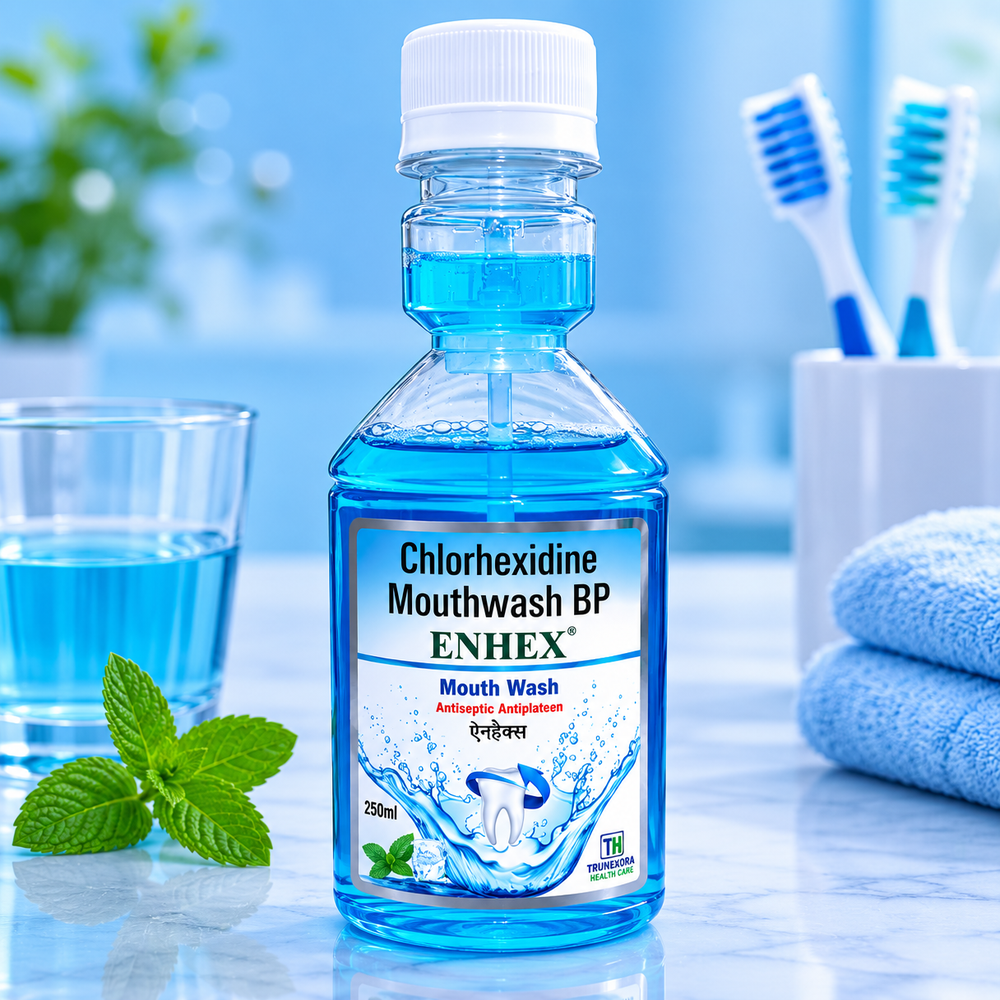
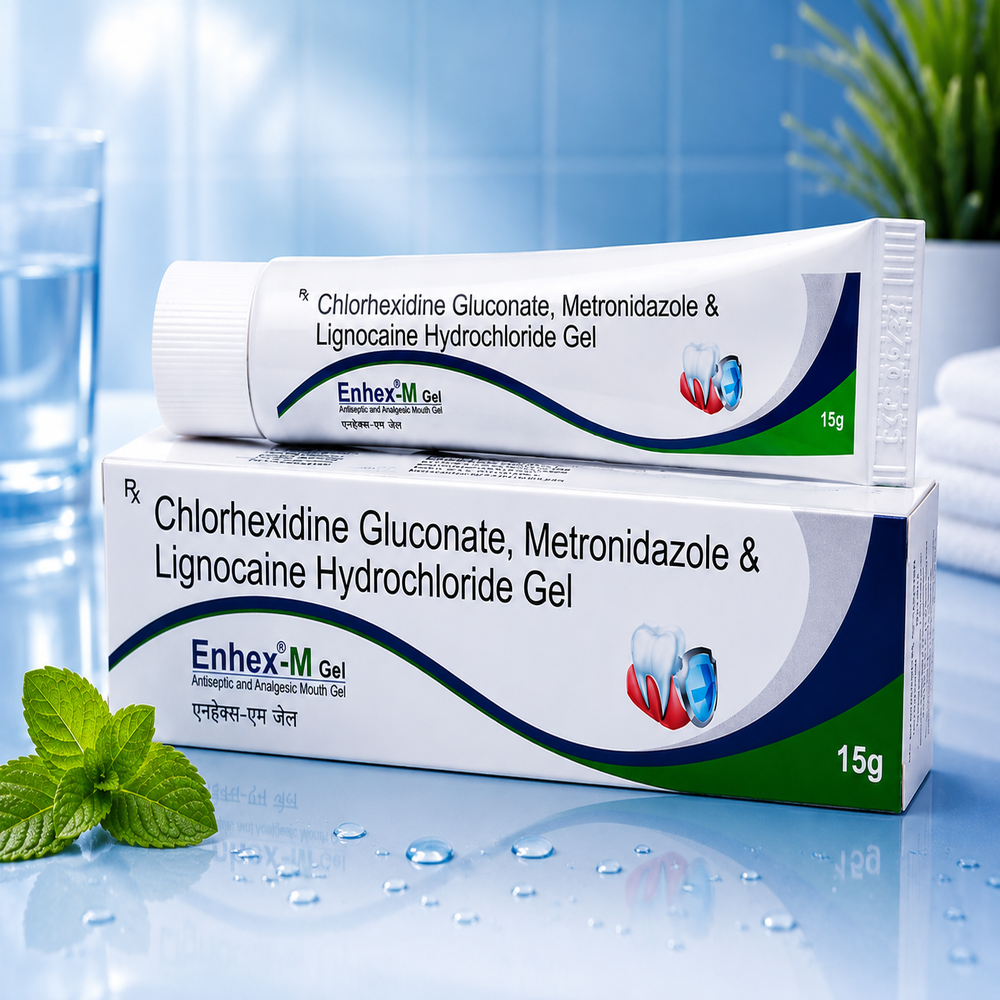
What Chlorhexidine Mouthwash Actually Is
Chlorhexidine gluconate is a broad-spectrum antiseptic that has been used in dentistry for decades to reduce the bacterial load in the mouth. Unlike a cosmetic mouthwash that simply masks odour, chlorhexidine actively binds to the surfaces of teeth, gums and oral mucosa, releasing slowly over several hours to keep suppressing bacterial growth — a property dentists call "substantivity."
Because of this sustained action, chlorhexidine rinses are considered one of the most effective non-prescription tools for short-term plaque and gingivitis control, and are commonly recommended after certain dental procedures, during periods of active gum inflammation, or when brushing and flossing are temporarily difficult.
How It Controls Plaque and Gingivitis
Plaque is a sticky biofilm of bacteria that continuously reforms on teeth and along the gumline. Left undisturbed, it irritates the gum tissue, leading to the redness, swelling and bleeding that define gingivitis. Chlorhexidine works by disrupting the bacterial cell membrane, reducing the number of plaque-forming organisms that can colonise the tooth surface.
- Reduces the volume of plaque that accumulates between brushing sessions.
- Calms gum inflammation associated with early gingivitis.
- Supports healing after scaling, root planing or minor oral surgery, when brushing near the treated area may be limited.
- Helps manage bacterial load during braces or fixed appliance treatment, where plaque control is harder.
Why It's Used in Short Courses, Not Indefinitely
A common misconception is that a stronger antibacterial rinse used every day, forever, is automatically better for oral health. With chlorhexidine, that isn't the case. Dentists typically prescribe or recommend it for a defined window — commonly around 2 to 4 weeks — for a few practical reasons:
Surface Staining
Extended daily use can lead to brownish staining on teeth, restorations and the tongue over time.
Tartar Buildup
Some users notice slightly faster calculus (tartar) formation with prolonged, uninterrupted use.
Taste Changes
Chlorhexidine can temporarily alter taste perception, especially for salty and bitter notes.
Targeted Use Works Best
A focused course during active inflammation is more effective long-term than continuous low-level use.
If your dentist recommends a longer course for a specific clinical reason, that guidance should always take priority over general use recommendations.
Correct Usage: Duration, Timing and Technique
- Measure the recommended amount using the cap or measure provided, rather than estimating.
- Rinse for the recommended time — typically around 30 seconds to 1 minute — swishing so the liquid reaches the gumline and between teeth.
- Do not swallow the rinse; spit it out after use.
- Space it apart from toothpaste — leave a gap of about 30 minutes after brushing, since some toothpaste ingredients can reduce chlorhexidine's effectiveness.
- Avoid rinsing with water immediately after using the mouthwash, so the antibacterial layer isn't washed away too quickly.
- Stick to the recommended course length rather than extending it on your own judgement.
Being Aware of the Staining Side Effect
Staining is the most commonly reported side effect of chlorhexidine use and is worth knowing about in advance rather than being surprised by it. It tends to be more noticeable in people who consume tea, coffee, red wine or tobacco regularly. The staining is generally superficial and can usually be addressed with a professional cleaning once the course of mouthwash is complete. Reducing tannin-rich drinks during the course, and brushing gently but thoroughly, can also help minimise visible buildup.
Buy ENHEX® Mouthwash in Bhubaneswar & Odisha
Trunexora Healthcare is headquartered in Laxmisagar, Bhubaneswar, Odisha, and ENHEX® Mouthwash is supplied to pharmacies, dental clinics and retail partners across Bhubaneswar, Cuttack, Puri and the rest of Odisha. Dental practitioners and distributors can reach our team directly for bulk orders and clinic supply.