Why Mouth Ulcers Form
Most mouth ulcers people experience are aphthous ulcers — small, round, shallow sores with a white or yellow centre and a red border, usually appearing on the inside of the cheeks, lips, tongue or the floor of the mouth. They are not contagious and are different from cold sores, which are caused by a herpes virus and typically appear on the outer lip.
The exact cause of aphthous ulcers isn't always clear-cut, but they're understood to result from a combination of local tissue irritation and factors that affect the body's healing response in the mouth's delicate lining.
Common Triggers
- Minor injury — accidentally biting the cheek or tongue, sharp edges on a broken tooth, or friction from braces and ill-fitting dentures.
- Stress and fatigue — periods of high stress are commonly reported before an ulcer appears.
- Certain foods — acidic fruits, tomatoes, and strongly spiced or salty foods can trigger or worsen ulcers in sensitive individuals.
- Vitamin and mineral deficiency — low levels of vitamin B12, folate, iron or zinc are associated with more frequent ulcers in some people.
- Hormonal changes — some people notice a pattern linked to their menstrual cycle.
- Underlying conditions — in rarer cases, recurring or unusually severe ulcers can be linked to digestive or immune conditions, which is worth flagging to a doctor if the pattern is persistent.
Home-Care Steps That Speed Healing
Salt Water Rinse
A gentle warm salt water rinse a few times a day can help keep the area clean.
Avoid Trigger Foods
Steer clear of acidic, spicy or very salty foods until the ulcer heals.
Gentle Brushing
Use a soft-bristled brush and be gentle around the sore area to avoid further irritation.
Protective Gel
Applying a targeted oral gel can soothe the area and support a cleaner healing environment.
How Antimicrobial Gels Help
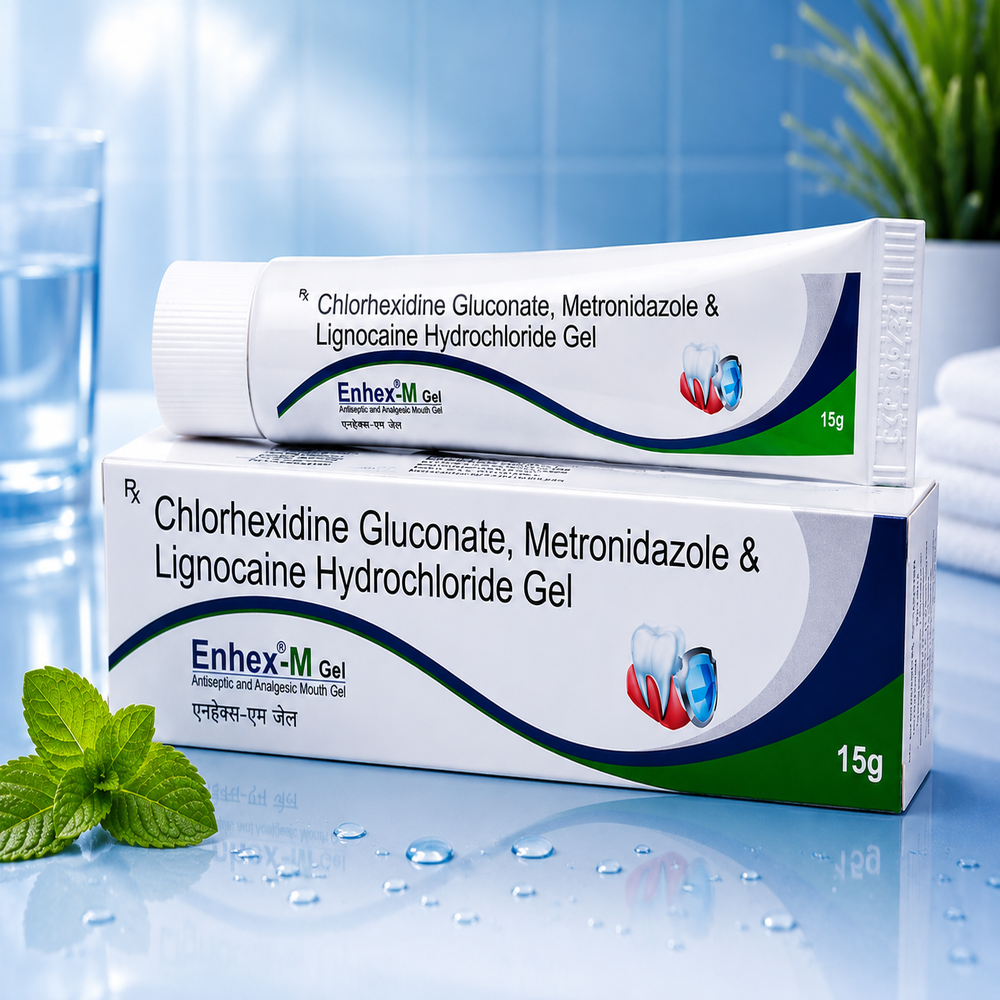
A targeted gel like ENHEX®-M Gel, applied directly to the ulcer, works by reducing the local bacterial load around the open sore. Because an ulcer is essentially a small break in the mucosal lining, keeping the area cleaner lowers the risk of secondary infection and the additional irritation that comes with it — which in turn helps the sore stay more comfortable while it heals on its own timeline. Many people also appreciate the soothing, protective sensation the gel provides during eating, drinking and talking, when an exposed ulcer is most likely to be aggravated.
It's important to view a gel as support for comfort and a cleaner healing environment — not a way to instantly cure an ulcer overnight. Ulcers still follow their natural healing timeline.
When to See a Dentist
Most mouth ulcers resolve without any intervention within 7 to 10 days. Book an appointment with a dentist if you notice:
- An ulcer that hasn't healed after two weeks or more.
- Unusually large ulcers, or several appearing at once.
- Ulcers that keep recurring frequently, month after month.
- Severe pain that interferes with eating, drinking or speaking.
- Ulcers accompanied by fever or feeling generally unwell.
Persistent or unusual ulcers should always be assessed by a dental professional to rule out other causes.
Buy ENHEX®-M Gel in Bhubaneswar & Odisha
Trunexora Healthcare is headquartered in Laxmisagar, Bhubaneswar, Odisha, and ENHEX®-M Gel is supplied to pharmacies, dental clinics and retail partners across Bhubaneswar, Cuttack, Puri and the rest of Odisha. Dental practitioners and distributors can reach our team directly for bulk orders and clinic supply.